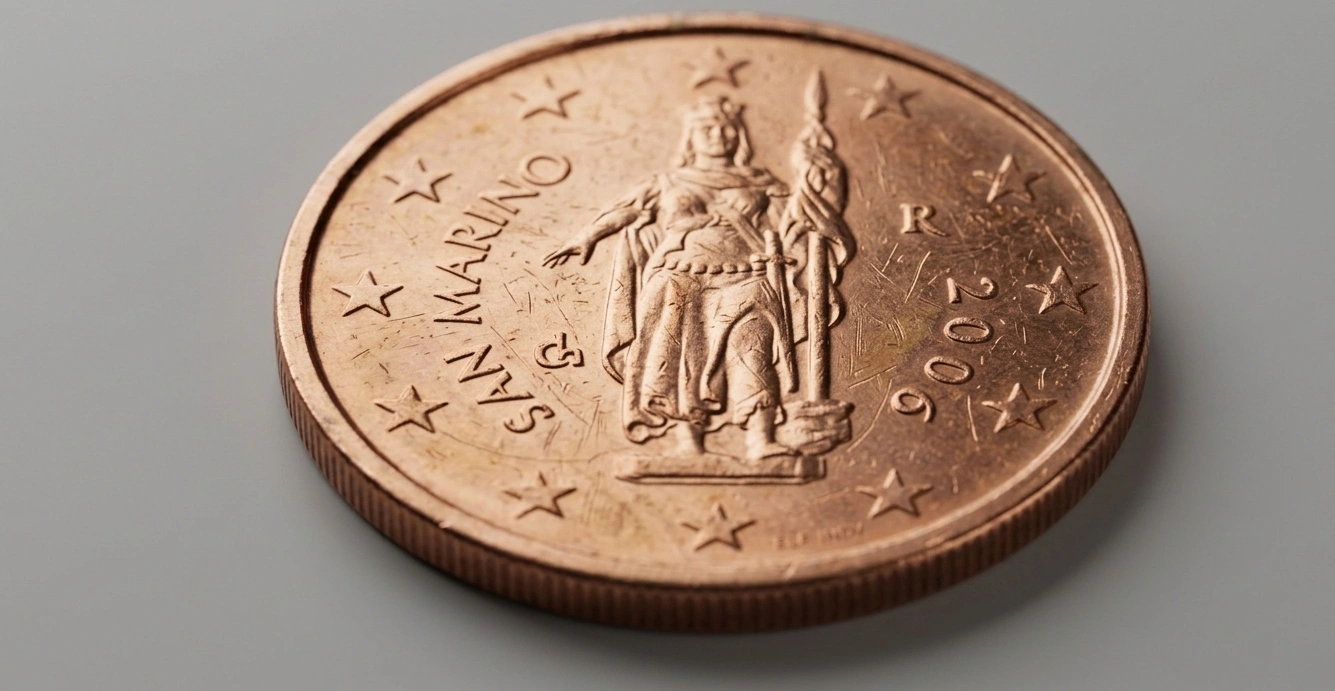
Modern numismatics might seem highly digitalised and full of tech but good old methods truly make it more than just a common hobby. Coin grading is the unique specialization that makes this niche so unique.
Graders determine authenticity, measure condition, and distinguish regular spare change from coins worth money. Behind every certified coin is a trained expert who evaluates tiny details that most collectors would miss. What you actually should know about grading? Here is the key intro for those who are just getting into it.

Why Coin Grading Exists
Coins travel through decades—sometimes centuries—of circulation, storage, and environmental changes. As a result, two examples of the same coin can look completely different. Grading creates a universal language that explains a coin’s condition with precision. Dealers, investors, and collectors rely on this shared standard to:
- Identify genuine pieces
- Detect signs of cleaning, alteration, or counterfeiting
- Establish fair prices
- Protect high-value coins through certified encapsulation
While today’s smart coin scanner apps provide everyday convenience and education, those professionals give final opinions and move numismatics forward as a science. Without grading, the market would be filled with conflicting opinions and inconsistent valuations.
How Professional Graders Work
Coin grading firms such as PCGS and NGC employ specialists who examine thousands of coins every week. Their work takes place in controlled environments where lighting, magnification, and temperature remain consistent. Each coin undergoes a multi-step review:
- Authentication — verifying metal composition, mint marks, and die varieties.
- Surface analysis — reviewing wear, scratches, contact marks, or residue.
- Strike and luster evaluation — studying detail strength and reflective quality.
- Cross-checking — at least two graders assess the coin independently.
- Finalization — a senior grader confirms the final grade.
Tools range from 5× to 20× magnification, microscopes for edge inspection, and reference databases for die diagnostics. Graders handle coins only by the edges—usually with gloves—to avoid adding new marks.
Why Consistency Matters
Reputation drives the value of a grading service. Firms like PCGS and NGC have built trust through decades of strict protocol and repeatable results. Their slabs command higher resale premiums because buyers know the grade aligns with industry standards. For collectors, this reliability makes graded coins easier to trade and safer to invest in.
How the Sheldon Scale Defines Condition
To understand coin grading as a profession, you need a clear view of the system graders use and the organizations that uphold it. These two elements form the foundation of modern numismatic standards.
The Sheldon Scale is the universal grading system applied to most world coins. Originally developed by Dr. William Sheldon in the 1940s and later adapted by the American Numismatic Association, it assigns grades from 1 to 70. Each number represents a precise level of preservation.
Key ranges include:
| Grade Range | Category | Key Characteristics |
| 60–70 | Mint State | Full luster, no circulation wear |
| 50–59 | About Uncirculated | Light friction, nearly complete detail |
| 40–49 | Extremely Fine | Noticeable but limited wear, clear features |
| 20–39 | Very Fine to Fine | Moderate wear on high points |
| 1–19 | Good to Poor | Heavy wear, details faint or missing |
This scale helps eliminate guesswork. Two collectors on opposite sides of the world can discuss a coin and understand its condition instantly.
Advanced Notations That Add Precision
Some coin types carry extra design markers that affect grade and value. For example:
- Full Bands (FB) on Mercury dimes
- Full Steps (FS) on Jefferson nickels
- Deep Mirror Prooflike (DMPL) on certain silver dollars
- Cameo (CAM) and Deep Cameo (DCAM) for proof coins
These designations highlight exceptional strike quality or deep reflectivity, giving a graded coin additional appeal.
The Top Grading Institutions
Two companies dominate professional grading:
- PCGS (Professional Coin Grading Service) — founded in 1986, known for high consistency and strict authentication standards.
- NGC (Numismatic Guaranty Company) — official ANA partner, with more than 30 million coins graded worldwide.
Both encapsulate coins in tamper-evident plastic holders and back their grades with guarantees. Their slabs are widely trusted and command the highest market premiums.
Other services such as ICG and ANACS also operate in the market, but PCGS and NGC remain the benchmarks for investment-grade coins.
Note for Beginners: Professional grading remains an expensive service, not necessary for every unknown coin you encounter. You can start evaluating coins by yourself, using the free coin value app as the first app.
Skills Every Professional Grader Must Master
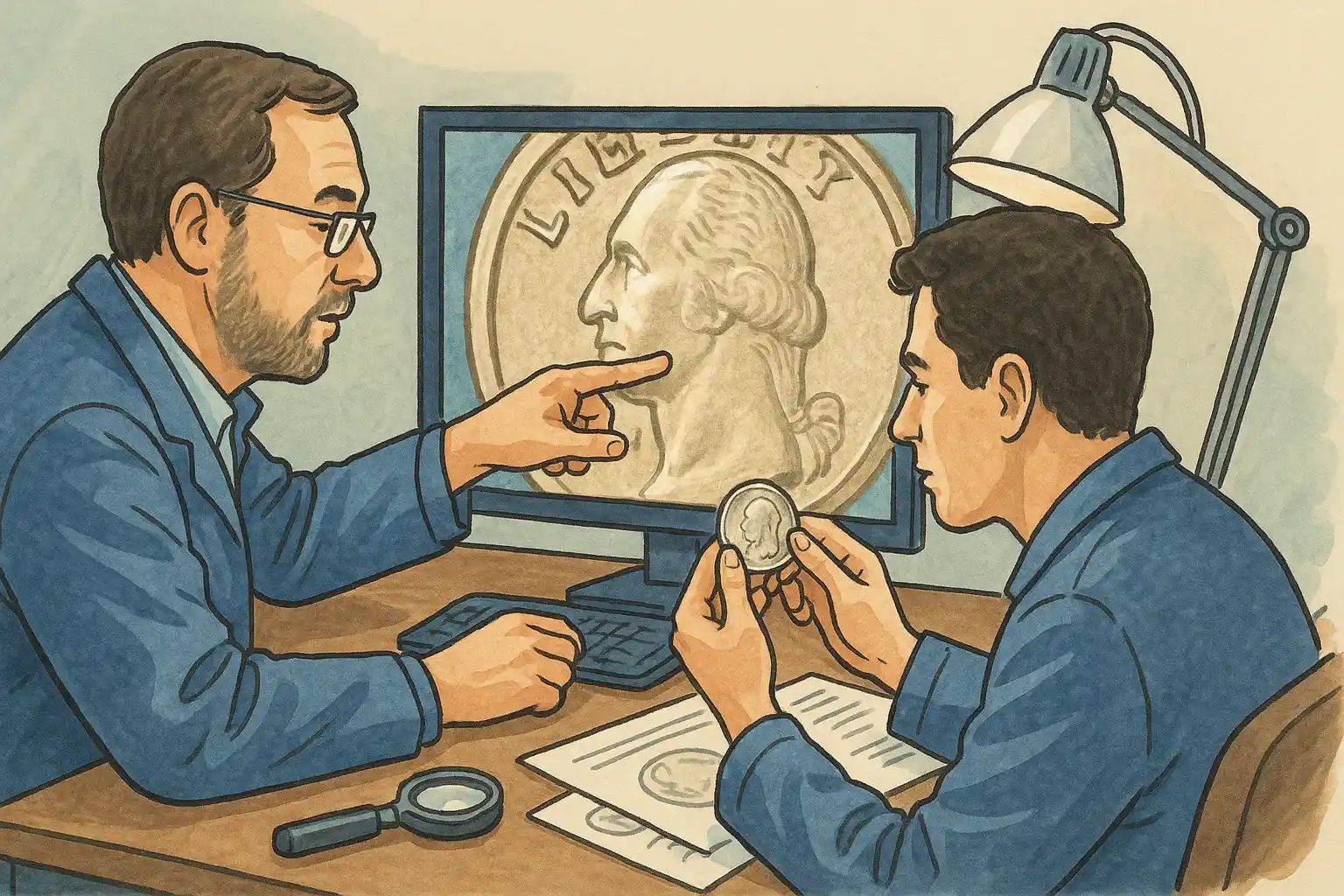
Coin grading looks straightforward from the outside, yet the profession demands years of focused study and constant exposure to diverse coin types. Graders must evaluate surfaces within seconds, recognize subtle varieties, and detect counterfeits with a high degree of accuracy. Their work shapes market prices, influences investment decisions, and preserves historical integrity.
A grader’s expertise comes from a combination of technical knowledge and disciplined practice. Key skills include:
- Understanding minting processes to identify legitimate die characteristics.
- Recognizing counterfeits, including altered dates, added mint marks, or cast imitations.
- Interpreting surface conditions, distinguishing natural toning from damage or chemical cleaning.
- Maintaining consistency, grading the same coin the same way every time.
- Sustained concentration, often evaluating hundreds of pieces per day.
Most professionals have five or more years of hands-on experience before being trusted with high-value coins. Many also pursue education through programs such as the ANA Numismatic Diploma, which provides structured training in grading, authentication, and preservation.
Career Path and Work Environment
Professional graders typically begin in apprentice-style roles, learning directly from senior experts. Work takes place in controlled laboratory settings with specialized lighting and magnification tools. Salaries range from $50,000 for entry-level positions to well over $100,000 for senior graders in competitive markets.
The field rewards attention to detail, patience, and a passion for history. Grading careers are stable and continue to grow as certification demand increases.
How Collectors Can Practice Grading at Home
You don’t need to become a professional to benefit from grading knowledge. Collectors can build foundational skills by:
- Studying high-resolution images from PCGS and NGC.
- Practicing with circulated coins under 5×–10× magnification.
- Comparing raw coins to certified examples.
- Logging observations in a personal grading notebook.
Modern tools make this even easier. The Coin ID Scanner app gives collectors quick photo-based identification, offering details like mint year, weight, composition, and market value. Its digital inventory system, AI Coin Helper, and smart filters help beginners track coins and improve their understanding of condition over time.
A Path for Collectors and Professionals Alike
Coin grading is a unique profession that needs qualifications in science, art, and intuition. It remains quite a close community, but even beginners and hobbyists can learn the basics. For everyone who is into collecting, it is a way to make smarter purchases and appreciate details that often go unnoticed. And if you are eager to study it professionally, this might be a way to a truly extraordinary life and community.